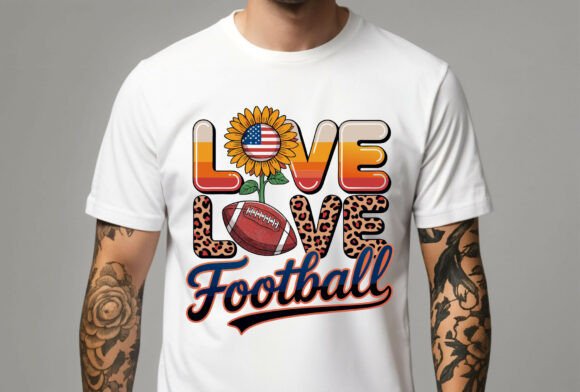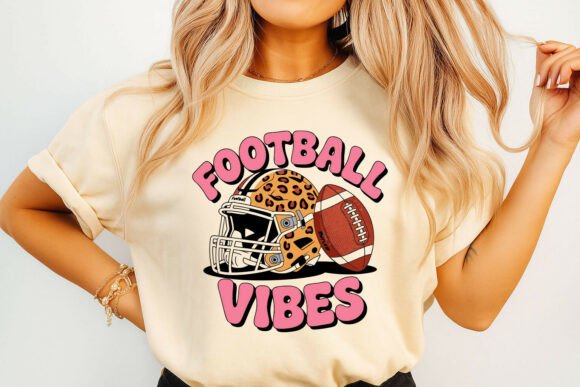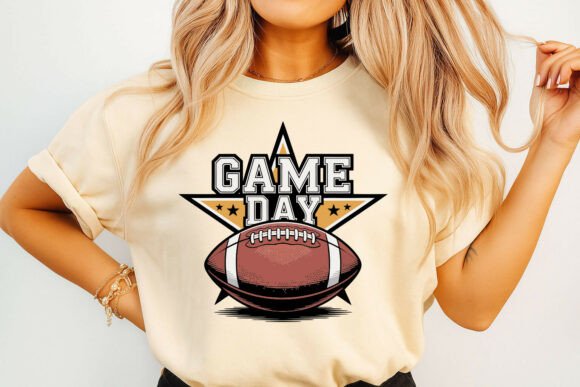
Game Day American Football Illustration Review
As a designer who spends more time than I care to admit staring at stitch patterns and testing thread tension, I approach every new asset with a healthy dose of skepticism. The market is flooded with generic clip art, but finding a machine embroidery design that actually translates well from screen to fabric is rare. Recently, I came across the Game Day American Football Illustration, categorized under T-Shirt Designs and Graphics. On paper, it sounds like standard sports memorabilia. In practice, however, I found myself evaluating whether this vector graphic could hold up in a real-world embroidery project for a client or a small business inventory.
First Impressions: Mood and Visual Personality
The moment you load this file into your digitizing software, the retro aesthetic jumps out. It doesn’t scream modern minimalism; instead, it leans into a classic, nostalgic vibe. For an embroidery file intended for apparel, this is a strategic advantage. Retro designs tend to age better on garments because they evoke a sense of timeless quality rather than fleeting trends. The illustration features a dynamic composition that feels energetic without being chaotic. This visual personality makes it particularly suitable for custom apparel targeting sports fans who appreciate vintage aesthetics.
From a pure design standpoint, the layout suggests a strong focal point. This is crucial when converting a 2D graphic into a 3D stitched product. The shapes are bold enough to be recognized even after the fabric texture interacts with the threads. However, as any seasoned maker knows, what looks good on a monitor can look muddy under a hoop. The initial assessment here is positive: the core elements are distinct, which bodes well for stitch density management later in the process.
Real-World Application: Where This Design Shines
I decided to test the versatility of the Game Day American Football Illustration by imagining it applied to various products. The first scenario that popped into my head was a custom embroidered patch for a leather jacket or a denim vest. Because the design has a contained, illustrative nature, it would translate beautifully into an embroidered patch. The clean lines suggest that if digitized correctly, the outline would pop against a contrasting background fabric.
Another strong use case is sweatshirt embroidery. Imagine a heather grey crewneck with this design centered on the chest or placed on the back. The retro football theme fits perfectly with the casual, cozy vibe of sweatshirts. It’s not just about the sport; it’s about the lifestyle associated with game days, tailgating, and autumn gatherings. This makes it an excellent candidate for seasonal collections aimed at Etsy sellers looking to capitalize on fall and winter shopping trends.
I also envision this working well for baby embroidery projects. While the theme is football, the stylized, almost cartoonish quality of many retro illustrations often softens the image, making it appropriate for nursery decor or baby onesies. Parents love personalized gifts that celebrate family traditions, and a subtle football motif on a burp cloth or blanket can be a hit for upcoming fathers or grandfathers. It adds a layer of emotional connection to the handmade product.
Technical Considerations and Stitching Challenges
While the concept is strong, we need to talk about execution. Not all graphics are created equal when it comes to digitization. The Game Day American Football Illustration relies heavily on its line work and color blocking. If the original vector contains too many tiny details or thin strokes, these will get lost in the fabric texture during stitching. I always advise designers to inspect small details closely. If there are intricate textures within the football laces or the player’s uniform, you may need to simplify these areas to maintain clarity.
Thread color contrast is another critical factor. This design likely uses specific colors to define its retro mood. When selecting your thread colors, ensure they provide enough contrast against your chosen fabric. Dark fabrics can swallow up lighter stitches, while light fabrics might make dark outlines disappear if the stitch width isn't sufficient. Testing the design in black and white mockups before committing to a full color palette is a smart move to check legibility.
Hoop size limitations are also worth noting. If you plan to place this on a tote bag design or a large pillow cover, you have plenty of room. However, if you intend to put this on a cap or a tight area of a garment, you must confirm the final hoop size after digitizing. Curved surfaces like caps require careful stabilization to prevent puckering. Using the proper stabilizer is non-negotiable here; a tear-away stabilizer might not provide enough support for dense fill areas, leading to distortion.
Situations to Approach with Caution
There are certain scenarios where this design might struggle. Small hoop sizes are risky if the digitizer hasn't simplified the artwork enough. Textured fabrics, such as heavy tweed or bouclé, can obscure fine details, turning a crisp illustration into a blurry mess. Thin or stretchy fabrics, like some athletic jerseys, require additional stabilizers to prevent the satiny stitch edges from pulling the fabric out of shape. Additionally, if the design includes tiny lettering, be wary. Embroidery struggles with text smaller than 0.4 inches in height. Ensure any included typography is robust and readable.
Impact on Product Value and Brand Consistency
Using a high-quality digital embroidery file like this one elevates the perceived value of your finished product. Customers can tell the difference between a cheap heat transfer vinyl application and well-executed machine embroidery. The tactile quality of thread adds depth and durability, which enhances customer trust in your brand. For craft business owners, this means you can command a higher price point for items featuring this design.
Furthermore, the retro theme supports brand consistency if your shop focuses on vintage-inspired goods. It helps create a cohesive collection that appeals to a specific demographic. Whether you are selling holiday embroidery gifts or everyday personalized gifts, having a versatile design asset allows you to expand your catalog without sacrificing quality. It serves as a reliable design asset that can be adapted for different markets.
Practical Designer Notes for Final Success
Before you rush to produce a batch of small shop products, follow these practical steps:
- Test on scrap fabric: Always run a sample stitch-out on the actual fabric you plan to sell. This reveals issues with tension, pull compensation, and color matching that digital previews miss.
- Check licensing: Confirm whether you have the right to sell finished items made from this graphics asset. Commercial usage rights vary, and protecting your intellectual property is essential for long-term success.
- Review stitch types: Analyze how the digitizer used fill stitch, running stitch, and applique design techniques. A mix of these can add dimension and reduce overall thread count, saving you time and money.
- Create printable mockups: Use the design to generate printable mockups for your online store. Seeing the design on a mockup shirt or tote can help you visualize the final finished product and refine your marketing photos.
In conclusion, the Game Day American Football Illustration is a solid choice for designers looking to add a touch of nostalgia and energy to their embroidery portfolio. Its retro charm and dynamic layout make it versatile enough for apparel, home decor, and accessories. By paying attention to technical details like stitch density and fabric choice, you can transform this graphic into a professional, high-value item that resonates with customers. It’s not just a picture of a football; it’s a foundation for a successful embroidery project that celebrates the spirit of the game.