Grumpy Opossum T-Shirt Design Review
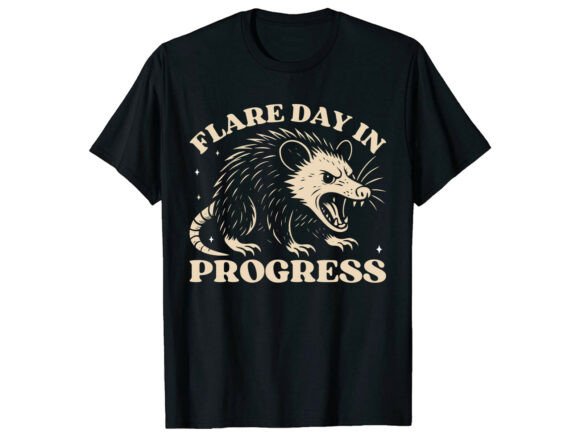
As a designer who spends more time troubleshooting stitch errors than actually designing, I approach every new file with a mix of curiosity and skepticism. When I first pulled up the Grumpy Opossum T-Shirt Design, my immediate reaction was that this isn’t just another cute animal graphic; it is a mood piece. The concept behind “Flare Day in Progress” taps into a very specific, relatable humor that resonates deeply with chronic illness communities and anyone who has ever woken up on the wrong side of the bed. But does it translate well to thread? That is the real question for any embroiderer looking to add this to their repertoire.
First Impressions: Visual Personality and Layout
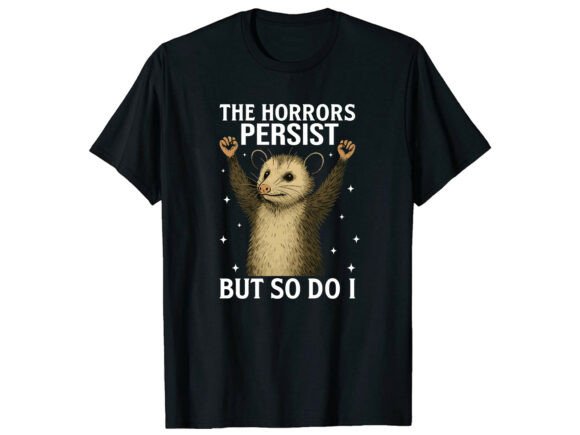
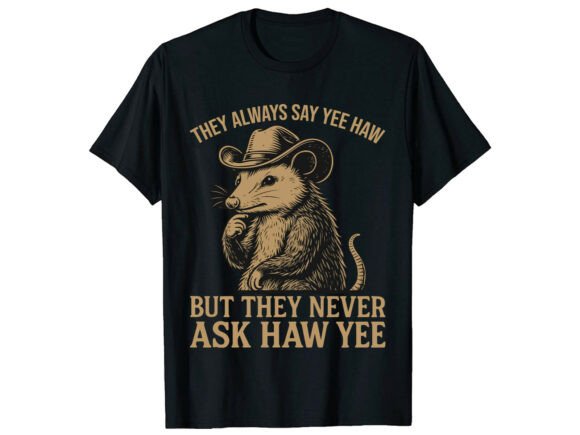
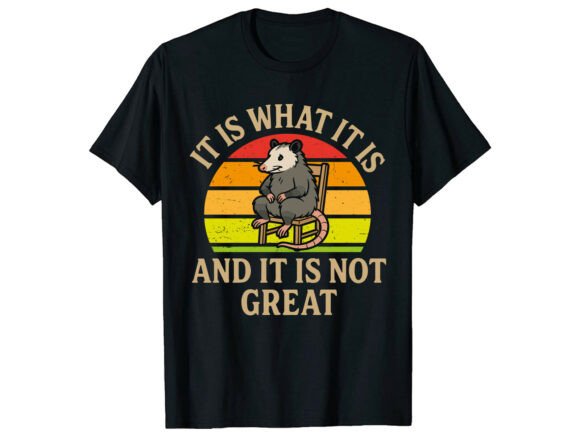
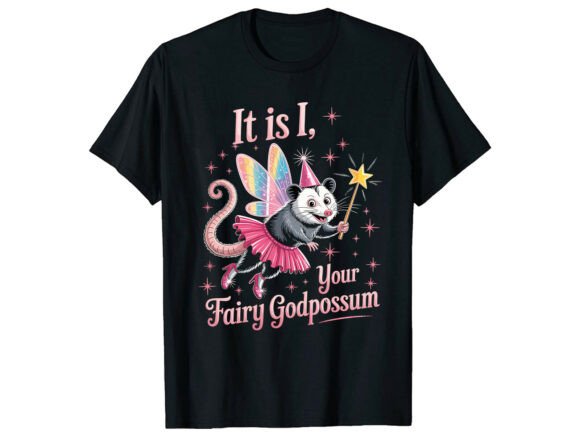
The design features a fierce, spiky-haired opossum, which immediately grabs attention. In embroidery, character designs rely heavily on silhouette and expression. This opossum’s attitude is conveyed through sharp angles and bold lines, which suggests that the design likely utilizes strong fill stitches to create body and texture. The phrase “Flare Day in Progress” adds a narrative layer, turning a simple graphic into a statement piece. For an Etsy seller or boutique owner, this kind of emotional connection is gold. It moves beyond generic novelty items into personalized expression, which tends to drive higher engagement and sales.
Visually, the layout feels balanced. The opossum serves as the focal point, while the text anchors the design. From a practical standpoint, the spacing between the character and the lettering appears intentional, allowing each element room to breathe. This is crucial because overcrowding can lead to puckering, especially if the fabric is lightweight. The overall aesthetic screams casual, humorous, and slightly rebellious, making it perfect for streetwear-inspired apparel or cozy home goods.
Real-World Application: Where Does This Fit?
I recently considered using this machine embroidery design for a custom order—a heavy-weight cotton sweatshirt for a client who works in healthcare and deals with chronic pain daily. The idea was to create something that acknowledged their struggle with humor rather than pity. After testing the file, I found that this design shines brightest on structured fabrics. A thick cotton blend hoodie or a denim jacket provides the necessary stability to support the detail without distorting.
However, its versatility extends beyond outerwear. I also visualized this as an embroidered patch for a tote bag design. The bold nature of the opossum would stand out against a neutral canvas bag, creating a fun, everyday accessory. For small business owners, this duality is valuable. You can market it as both a wearable item and a lifestyle product. Imagine a set: a matching apron for someone who loves cooking but hates mornings, or a pillow cover for a nursery that breaks away from traditional soft pastels. The Graphics category often implies digital-only use, but this design begs to be stitched.
Baby Items and Personalized Gifts
One unexpected application I explored was baby embroidery. While the theme is adult-oriented humor, parents often appreciate irony. Placing a smaller version of this design on a onesie or a burp cloth could be a hit at craft fairs. The key here is scale. If you digitize or resize this for a baby item, you must ensure the smallest details remain clear. Tiny running stitches might disappear or break if the resolution is too low. Always test your embroidery project at the final size before committing to production.
Technical Considerations and Potential Pitfalls
No design is flawless, and knowing where a design struggles is just as important as knowing where it succeeds. Here are the areas where you need to exercise caution when working with the Grumpy Opossum T-Shirt Design.
- Small Hoop Sizes: If you attempt to fit this entire design into a 4x4 hoop, you may lose critical detail. The text might become cramped, and the opossum’s spiky hair could merge into a solid blob. Use a larger hoop to preserve the integrity of the shape.
- Textured and Stretchy Fabrics: Avoid jersey knits or ribbed fabrics unless you are using a high-quality cut-away stabilizer. Stretchy materials can cause the satin stitches around the text to pucker or shift during the run. Similarly, textured fabrics like boucle or heavy tweed can hide the finer details of the design.
- Dense Stitch Areas: Check the stitch density carefully. If the fill stitch is too dense, it can make the fabric stiff and uncomfortable, particularly on t-shirts. Conversely, if it is too sparse, the backing material might show through. Adjust your underlay settings if your machine allows it.
- Dark Fabric Contrast: Thread color selection is paramount. On dark backgrounds, you will need bright, contrasting threads to make the white or light areas pop. Test your thread colors on scrap fabric that matches your final product to ensure visibility.
Stitch Clarity and Product Value
When evaluating the visual appeal, consider how the different stitch types interact. The design likely combines satin stitches for outlines and lettering with fill stitches for the body. Satin stitches provide a clean, professional edge, which enhances brand consistency. If the satin stitch is poorly digitized, it can look jagged or loose. Inspect the corners of the text closely; they should be crisp, not rounded or messy. This level of finish directly impacts customer trust. Buyers expect handmade products to look polished, even if they are buying from a small shop.
Practical Designer Notes for Success
Before you start printing mockups or listing this on your Etsy store, follow these steps to ensure a smooth workflow.
- Test on Scrap Fabric: Never assume a design will work perfectly on your final garment. Stitch it out on the exact type of fabric you plan to use. This reveals issues with tension, stabilizer choice, or fabric stretch.
- Check Black and White Mockups: Convert the design to grayscale to see how the contrast holds up. Sometimes, colors that look good on screen clash or wash out in thread form.
- Confirm Licensing: This is non-negotiable. Before selling finished items or digital design assets, verify the license terms. Ensure you have commercial rights if you intend to sell the finished product. Many designers sell personal-use licenses only, which can lead to legal trouble.
- Use Proper Stabilizer: For a design with varied stitch directions, a tear-away or cut-away stabilizer is essential. The choice depends on the fabric weight. Heavier fabrics can sometimes get away with tear-away, but delicate fabrics require cut-away for long-term durability.
Final Verdict
The Grumpy Opossum T-Shirt Design is a strong contender for anyone looking to add personality to their craft business. It bridges the gap between humor and relatability, making it highly marketable. Whether you are creating a custom apparel line, offering personalized gifts, or expanding your range of digital embroidery files, this design offers flexibility and charm. Just remember to respect the technical limitations, test thoroughly, and choose your materials wisely. With the right execution, this opossum can become a standout bestseller in your shop.