Retro Forest Bear Vintage Wildlife Embroidery Review
When I first pulled the Retro Forest Bear Vintage Wildlife design into my digitizing software, I immediately recognized it as a piece with strong commercial potential but specific technical requirements. As someone who spends hours evaluating how digital graphics translate into physical stitches, I don’t just look at the image; I look at the execution. This design captures that distinct 70s-inspired aesthetic—a majestic bear standing tall amidst retro-colored forest trees—that has been dominating the handmade market lately. But does it hold up under the needle? Is it a viable asset for your craft business or personal projects? Let’s break down the practical reality of using this graphic in real-world embroidery scenarios.
First Impressions and Visual Personality
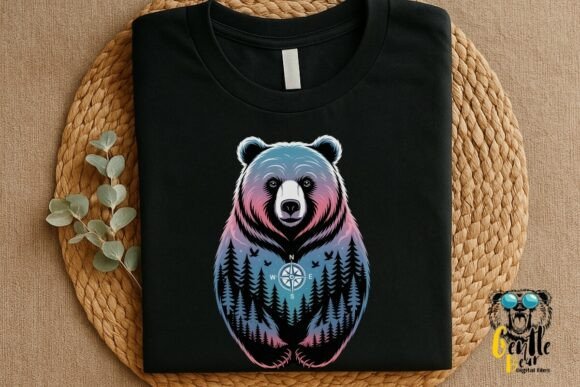
The mood of Retro Forest Bear Vintage Wildlife is instantly nostalgic. It doesn’t scream for attention with neon brightness; instead, it offers a grounded, earthy vibe that feels premium. The layout is centered and balanced, which is crucial for apparel decoration. For an T-Shirt Designs category entry, this is a smart move. The bear is the focal point, framed by the stylized trees, creating a cohesive emblem-like feel rather than a scattered pattern. This kind of visual personality works exceptionally well for brands that want to project authenticity, outdoor adventure, or rustic charm. It feels like something you’d see on a high-quality boutique item rather than a mass-produced discount shirt. The artistic style suggests a vintage print effect, which translates surprisingly well into thread if the color choices are deliberate.
Real-World Application: Where This Design Shines
In my experience testing various motifs, some designs simply beg to be stitched onto specific items. Retro Forest Bear Vintage Wildlife naturally belongs on custom apparel and soft goods where texture adds value. I envision this looking stunning on a heavyweight cotton sweatshirt embroidery project, particularly in heather grey or olive green fabrics. The contrast between the fabric texture and the smooth fill stitches of the bear’s fur creates a tactile appeal that customers love. It also performs beautifully as a tote bag design. A canvas tote featuring this motif feels like a statement piece, perfect for an Etsy seller targeting eco-conscious buyers or outdoor enthusiasts.
Beyond apparel, this graphic is versatile enough for home decor and gifts. Imagine this stitched onto a linen pillow cover for nursery decor, bringing a whimsical yet sophisticated touch to a child’s room. It also fits perfectly into holiday embroidery collections. A small version of this design on a kitchen towel or a tea towel makes for a thoughtful personalized gift that feels useful and decorative. For those running a small shop product line, this design bridges the gap between casual wear and home accents, allowing you to cross-sell effectively. Whether it’s a baby embroidery project for a onesie or a more rugged embroidered patch for a denim jacket, the theme is adaptable.
Technical Performance and Stitch Clarity
When we talk about an embroidery file, we are talking about translation. How does a flat vector or raster image become raised thread? With Retro Forest Bear Vintage Wildlife, the key lies in the stitch density and the use of different stitch types. The bear’s body likely relies heavily on fill stitch to create volume, while the tree trunks might benefit from a combination of satin stitch edges and running stitch details to simulate bark texture. If the digitizer handled this correctly, the transition between the bear and the background trees should be clean, avoiding muddiness.
However, clarity is everything. In dense areas, such as the bear’s face or the intricate branches, the thread must not overlap excessively, which can cause puckering. When reviewing this for a client project, I always check how the stitch density holds up on different fabric weights. On a stable woven fabric like twill or heavy cotton, the design will pop. The visual appeal remains high because the shapes are bold and recognizable even from a distance. This is vital for brand consistency; if the logo or main graphic looks distorted or muddy, customer trust takes a hit. A sharp, well-defined bear builds professionalism and suggests quality craftsmanship.
Where to Exercise Caution
No design is perfect for every surface, and Retro Forest Bear Vintage Wildlife is no exception. There are several scenarios where this design might struggle. First, avoid placing this on textured fabrics like bouclé or heavy terry cloth unless you are using a substantial stabilizer. The uneven surface can distort the fine details of the trees. Similarly, thin or stretchy fabrics pose a risk. Without proper support, the tension of the machine embroidery design can pucker the material, ruining the silhouette of the bear.
Curved surfaces present another challenge. While this design could work on a cap, the curvature might compress the horizontal elements of the trees, making them look squashed. Small hoop sizes are also a limitation. If you try to scale this down too much, the individual threads may blend together, losing the distinction between the bear and the foliage. Additionally, be mindful of dark fabrics. If the thread colors aren’t sufficiently opaque or bright, the retro palette might get lost against a black or navy background. Always test on scrap fabric first to ensure the thread colors provide enough contrast against your chosen material.
Practical Designer Notes for Success
To get the best results from Retro Forest Bear Vintage Wildlife, follow these practical steps before committing to your final product. Start by checking the hoop size requirements. Ensure your machine can accommodate the design without hitting the frame limits. Next, inspect the small details. Zoom in on the digital preview to see if any lines are too thin to stitch reliably. If they are, consider simplifying the design or adjusting the digitizing settings.
Testing is non-negotiable. Run a mockup in black and white to evaluate the contrast and balance of the shapes independent of color. Then, stitch it out on your actual production fabric with your chosen stabilizer. Pay attention to how the fabric texture interacts with the thread. Does the fabric shift? Are there loose threads? Once satisfied, think about the end user. How will this finished product withstand frequent washing? Reinforce any weak points in the design if necessary.
Commercial Viability and Branding
For Etsy sellers and craft business owners, the aesthetic of Retro Forest Bear Vintage Wildlife aligns with current trends favoring nature-inspired, vintage-style goods. It appeals to a broad demographic, from parents buying baby gifts to adults seeking unique custom apparel. The design’s versatility allows for multiple design assets applications, from printable mockups to physical goods. However, always confirm licensing before selling finished items. Ensure you have the right to use this digital embroidery file for commercial purposes.
Ultimately, this design offers a strong foundation for building a cohesive brand identity. Whether you are creating a line of holiday embroidery gifts or expanding your small shop product range, Retro Forest Bear Vintage Wildlife delivers a professional, appealing look that resonates with buyers. By paying attention to fabric choice, stabilizer usage, and stitch quality, you can transform this graphic into a standout embroidery project that customers will cherish.