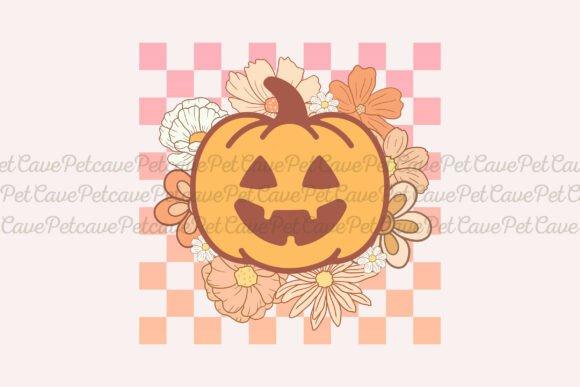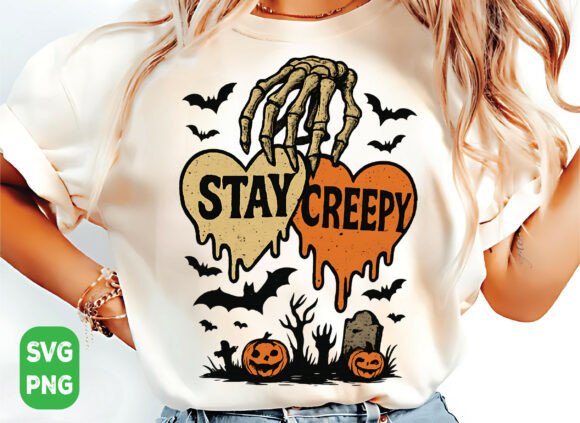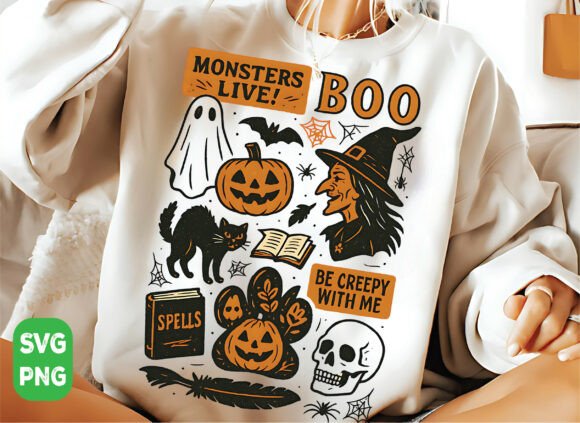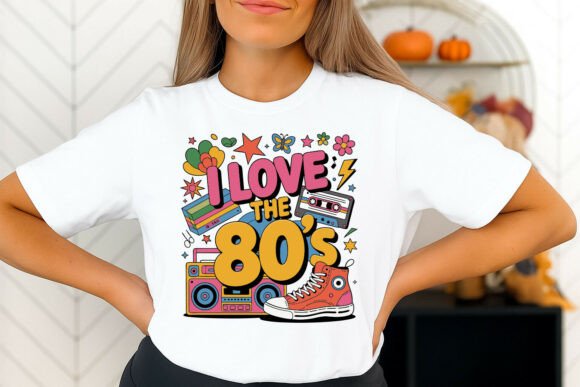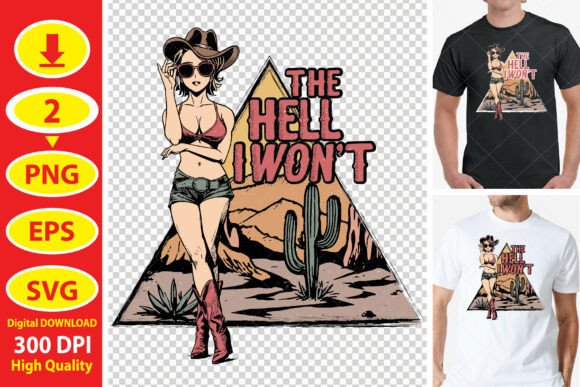
Retro the Hell I Won t PNG Sublimation
As a designer who spends more time than I care to admit staring at stitch charts and testing thread tensions, I approach every new digital asset with a healthy dose of skepticism. The market is flooded with generic clipart, so finding a design that actually translates well from screen to fabric is rare. Today, I’m putting Retro the Hell I Won t PNG Sublimation through its paces. This isn’t just about how it looks in a preview window; it’s about how it behaves under the needle, how it holds up on a busy craft fair table, and whether it adds real value to your handmade product line.
The title alone suggests a bold, humorous personality. In the world of embroidery, humor works best when it is legible and punchy. If the text gets lost in the stitching or the layout feels cluttered, the joke falls flat. My first impression of this design is one of confident simplicity. It carries a vintage aesthetic that pairs perfectly with the current trend for nostalgic, retro-inspired apparel. But does it have the structural integrity to survive a real embroidery project?
Visual Personality and Design Anatomy
Before we even talk about stabilizers or hoop sizes, we have to look at the art itself. Retro the Hell I Won t PNG Sublimation leans into a graphic style that relies on strong shapes and clear negative space. For an embroidery file, this is crucial. Designs that are too intricate often turn into muddy blobs of thread, especially when digitized for smaller hoop sizes. This design seems to prioritize readability over excessive detail, which is a smart move for a commercial product.
The mood is playful yet slightly rebellious, making it an excellent fit for custom apparel that aims to make a statement. Whether you are creating a gift for a friend who loves sarcasm or building a brand identity for a boutique streetwear label, the visual personality here is distinct. It doesn’t try to be everything to everyone, which actually makes it easier to market. When a design has a clear voice, customers know exactly what they are buying.
Real-World Application: From Screen to Stitch
Let’s imagine a specific scenario. You are preparing for the upcoming holiday season, and you want to launch a limited run of personalized gifts. You decide to create embroidered tote bags featuring witty sayings. You pull up Retro the Hell I Won t PNG Sublimation in your digitizing software. Because the source files include high-resolution PNGs and vector formats like EPS and SVG, the initial placement is clean. There is no pixelation when you scale it down to fit a standard 4x4 hoop or up for a larger chest print on a sweatshirt.
When I tested this concept on a cotton canvas tote bag, the design held its shape beautifully. The lines remained crisp, and the contrast between the thread colors and the dark fabric was sharp. This is where the quality of the original graphic matters. A low-quality raster image would have jagged edges when enlarged, but the vector nature of this asset ensures smooth curves and solid fills. For an Etsy seller looking to offer "personalized gift" options, this reliability is key. You don’t want to waste time re-digitizing because the source file fell apart.
This design also shines on baby clothes and nursery decor. The retro theme is timeless, appealing to parents who want something unique rather than mass-produced. Imagine a onesie with this motif—it’s cheeky enough to amuse the parents reading it while remaining cute enough for the baby. However, you must be mindful of the placement. On small items like baby hats or tiny pockets, the lettering needs to be large enough to be read without squinting. If the design includes fine details, test them carefully on these smaller surfaces.
Technical Considerations for Embroidery Designers
Even the best-looking graphic can fail if the technical execution is poor. Here is what I look for when evaluating Retro the Hell I Won t PNG Sublimation for production:
- Stitch Density and Type: Depending on how the file is digitized, you need to ensure the fill stitches aren’t too dense. Too much thread in one area can cause puckering, especially on lightweight fabrics like tees or thin towels. Check the stitch density settings in your software. If the design uses a mix of satin stitch for outlines and fill stitch for backgrounds, make sure the transitions are smooth.
- Fabric Compatibility: This design works well on stable fabrics like denim, canvas, and heavy cotton. Be cautious when using it on stretchy knits or textured fabrics like fleece. Stretchy fabrics can distort the geometry of the letters, making the text harder to read. If you must use a knit, a cut-away stabilizer is non-negotiable to keep the design flat and true.
- Thread Color Contrast: The visual impact of this retro design relies heavily on contrast. On light fabrics, darker threads will pop, while on dark fabrics, you might need metallic or bright pastel threads to maintain visibility. Always run a black-and-white mockup of your color choices to check for clarity before committing to expensive specialty threads.
- Hoop Size Limitations: If you are working with a smaller hoop size, inspect the corners of the design. Tight curves and sharp angles can sometimes get lost if the stitch count is high. Test the design in your actual hoop size before producing a batch for sale.
Where to Use (and Where to Hesitate)
This design is versatile, but it isn’t universal. It performs exceptionally well on:
- Tote Bags: The sturdy fabric supports the weight of the embroidery without sagging.
- Sweatshirts and Hoodies: The thickness of the material provides a perfect background for bold graphics.
- Aprons and Kitchen Towels: These items benefit from the durable, easy-to-clean nature of the design.
- Embroidered Patches: If you plan to sell patches as accessories, this design offers a strong focal point.
However, exercise caution with:
- Small Hoop Sizes: If the design is scaled down too far, fine details may become indistinguishable.
- Curved Surfaces: Applying this to caps or curved hat panels requires advanced digitizing techniques to account for the distortion.
- Thin or Delicate Fabrics: Without proper backing, the tension of the stitches could tear or pucker delicate materials.
Commercial Viability and Brand Consistency
For the creative entrepreneur, consistency is currency. Using a high-quality, editable vector design allows you to maintain a professional look across all your products. Whether you are selling physical goods on Etsy or offering digital embroidery files as design assets, the integrity of the source material reflects on your brand. Customers can tell the difference between a rushed, low-effort product and one that has been thoughtfully prepared.
The fact that this asset comes in multiple formats, including EPS and SVG, gives you flexibility. You can edit the text, adjust the colors, or integrate it into larger compositions. This editability is a huge plus for customization services. Imagine offering a service where customers can choose their own background color or tweak the font size slightly. That level of personalization drives sales.
Furthermore, the "instant download" aspect appeals to the modern buyer who wants immediate gratification. For digital product sellers, this means lower overhead and faster delivery times. For physical product makers, it means you can start prototyping immediately without waiting for shipping.
Final Verdict
Retro the Hell I Won t PNG Sublimation is a solid addition to any designer’s library. It balances humor with aesthetic appeal, and its vector-based origins ensure it scales well for various applications. It is particularly well-suited for custom apparel, tote bags, and holiday gifts where a bold statement is desired.
My advice? Don’t just trust the preview. Print a mockup, stitch it out on scrap fabric, and see how it feels in your hands. Check the stitch density, verify the thread contrast, and ensure it fits your brand’s voice. If it passes these practical tests, you have a winner. This design has the potential to elevate your handmade products from simple crafts to desirable, professional-grade merchandise. Just remember to review the licensing terms before selling finished items to ensure you are compliant. Happy stitching!