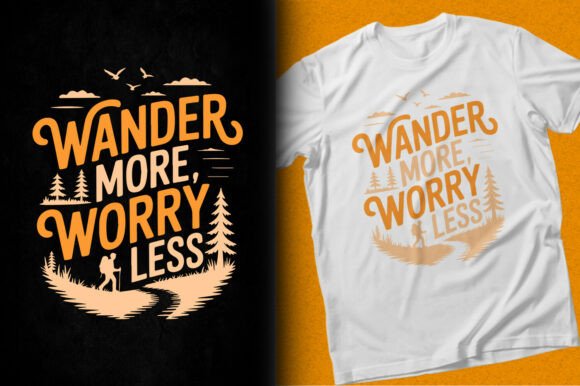
Wander More Worry Less Camping Design Review
In the world of embroidery, not every graphic translates well to thread. I have spent years reviewing designs for real-world application, testing them on everything from delicate baby rompers to heavy-duty workwear. Today, I am looking at Wander More Worry Less Camping Design, a piece that falls under the broad umbrella of T-Shirt Designs and Graphics but demands specific attention when moved into the realm of machine embroidery. As someone who has produced over 1,000 t-shirt designs for print-on-demand clients, I know the difference between a vector that looks good on a screen and one that holds up under the tension of an embroidery hoop.
First Impressions: Mood and Visual Personality
The phrase "Wander More Worry Less" carries a distinct emotional weight. It is not just text; it is a lifestyle statement. When evaluating this design as an embroidery project, the first thing I notice is its potential for connection. The mood is relaxed, adventurous, and grounded. This is crucial because embroidery is tactile. A customer touching a finished product needs to feel that same sense of calm and wanderlust.
Visually, the layout appears balanced for apparel decoration. The theme suggests outdoor activities, hiking trails, or mountain ranges, which are staples in the camping aesthetic. However, the success of this machine embroidery design hinges entirely on how those elements are rendered. Does the design rely too heavily on tiny details that might get lost in dense stitching? Or does it use negative space effectively to allow the fabric texture to show through? In my experience, designs that scream for attention often fail in subtlety, whereas this one seems poised to be a quiet confidence booster on a garment.
Real-World Application: Where This Design Shines
I often think about where a design will live before I digitize or purchase it. For Wander More Worry Less Camping Design, the versatility is impressive. It fits naturally into several categories of handmade products:
- Custom Apparel: This is the most obvious choice. Whether applied to a classic crewneck t-shirt or a heavier sweatshirt embroidery project, the message resonates with people who value experiences over possessions. On a sweatshirt embroidery piece, the design could serve as a chest logo or a larger back print, offering a professional look for boutique branding.
- Tote Bag Design: Canvas tote bags are a staple for crafters and Etsy sellers. This design works beautifully here because the sturdy fabric can handle the stitch density without puckering. It turns a simple utility item into a statement piece for the eco-conscious traveler.
- Personalized Gifts: Consider a custom embroidered patch for a camper’s backpack or a pillow cover for a cabin guest room. The phrase lends itself perfectly to holiday embroidery or wedding gifts for couples who love the outdoors. It adds a layer of personalization that mass-produced goods lack.
- Baby Embroidery: There is a growing market for meaningful items for children. Applying this design to a baby blanket or a onesie creates a sentimental keepsake. Parents appreciate designs that reflect their values, even for their little ones.
When I imagine this as part of a small shop product line, I see it fitting seamlessly into a collection of outdoor-themed gear. It elevates the perceived value of the item. A plain cap becomes premium when adorned with a well-executed embroidered patch featuring this design. Customers trust brands that pay attention to detail, and high-quality stitching signals professionalism.
Technical Challenges and Areas for Caution
While the concept is strong, the execution requires careful planning. Not all fabrics and surfaces are created equal. Here is where I would advise caution when using Wander More Worry Less Camping Design:
- Hoop Size Constraints: If the design includes intricate line art or small lettering, you must ensure your hoop size accommodates it without distortion. Tight curves on caps or hats can stretch the fabric, causing the satin stitch to pucker or the running stitch to break. Always test on scrap fabric first.
- Fabric Texture and Stability: Textured fabrics like fleece or thick wool can obscure fine details. Similarly, thin or stretchy fabrics require a robust stabilizer to prevent shifting. Without proper support, the design may lose its shape after washing, damaging customer trust.
- Thread Color Contrast: The visual appeal depends heavily on the contrast between the thread colors and the background. On dark fabric, light threads are essential for readability. On light fabric, darker threads provide definition. I recommend testing the design in black and white mockups to ensure legibility before committing to a color palette.
- Dense Stitch Areas: If the design uses large areas of fill stitch, it may become stiff and uncomfortable against the skin, especially on baby clothes or lightweight t-shirts. Review the stitch density to ensure it remains breathable and flexible.
Specific Fabric Considerations
Avoid placing this design on curved surfaces if the digitizing lacks sufficient pull compensation. Curved surfaces like baseball caps or shoulder seams can distort straight lines and text. Additionally, be wary of decorative accents that might snag easily. If the design includes loose ends or long stitches, they may catch on things during daily wear, leading to premature fraying.
Design Notes for the Professional Crafter
As a reviewer, I cannot stress enough the importance of due diligence. Before incorporating Wander More Worry Less Camping Design into your commercial inventory, consider these practical steps:
- Licensing Verification: Confirm whether the file is cleared for commercial use. Many digital embroidery files sold online are intended for personal use only. Selling finished items without proper rights can lead to legal issues. Check the license terms carefully.
- Mockup Testing: Use printable mockups to visualize the design on different garments. Compare how it looks on a navy blue hoodie versus a cream-colored apron. This helps you anticipate how customers will perceive the final product.
- Stitch Type Analysis: Identify the mix of satin stitch, fill stitch, and running stitch. Satin stitches should be wide enough to cover the base fabric completely but not so wide that they create ridges. Fill stitches should follow the contour of the design to avoid bulk.
- Commercial Viability: Assess the target audience. Does this design appeal to the casual hiker, the serious mountaineer, or the general public? Understanding your buyer helps you position the product correctly on platforms like Etsy or in your own online store.
Final Verdict on Visual Appeal and Brand Consistency
Wander More Worry Less Camping Design has the potential to be a standout asset in any embroiderer’s library. Its strength lies in its relatability. In a market saturated with generic quotes, this design taps into a genuine desire for peace and adventure. When executed well, it enhances the handmade product quality, making it feel curated and thoughtful.
For the Etsy seller or craft business owner, this design offers a reliable way to attract customers looking for personalized gifts. It bridges the gap between digital graphics and physical craftsmanship. However, its success is not guaranteed by the artwork alone; it relies on the skill of the operator and the quality of the materials used.
If you are considering adding this to your design assets, proceed with a test run. Evaluate the clarity of the text, the balance of the imagery, and the overall comfort of the finished item. If it passes these checks, it could easily become a bestseller in your catalog. Just remember to manage expectations regarding fabric compatibility and care instructions. With the right approach, this design can help you build a brand that stands for quality, creativity, and a love for the great outdoors.