Retro Cactus Seamless Pattern: A Designer’s Review
As a designer who spends half my life staring at stitch charts and the other half arguing with thread tension, I don’t just look at a design file; I look at how it will behave under the needle. When Retro Cactus Seamless Pattern landed in my review queue, I didn’t just see a pretty image. I saw potential for tote bags, nursery decor, and boutique apparel. But I also saw the pitfalls of working with seamless repeats in embroidery. This isn’t just about downloading a PNG; it’s about understanding how a graphic digital design translates into a tangible, wearable, or usable product.
I’ve been reviewing embroidery assets for years, and I know that what looks good on a 3600×3600 screen often falls apart when stitched onto curved surfaces or delicate fabrics. So, let’s break down Retro Cactus Seamless Pattern from a practical, hands-on perspective. We’ll talk about where this design shines, where you need to be careful, and how to turn this simple graphic into a high-value finished product for your craft business or personal collection.
The First Impression: Mood and Visual Personality
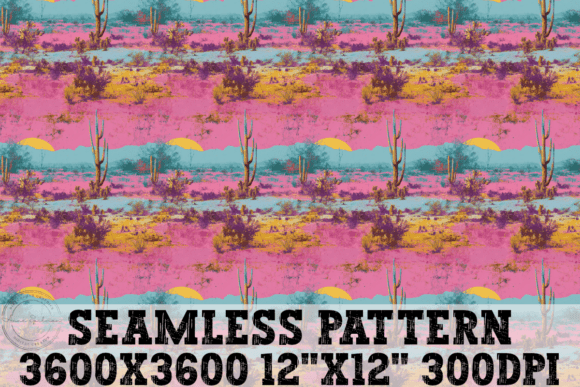
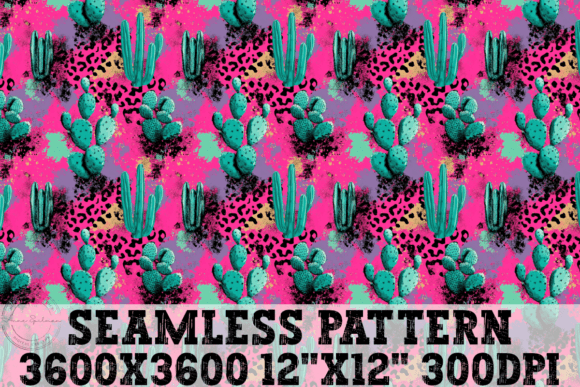
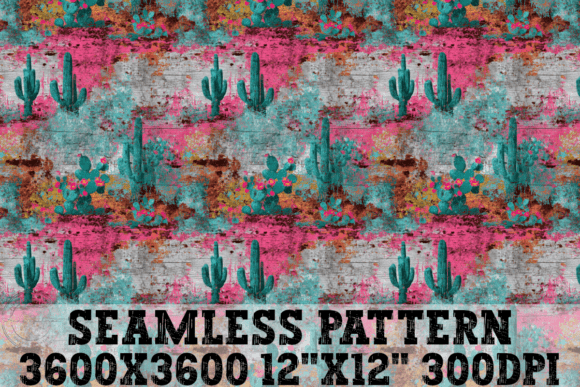
The moment you open the tileable repeat pattern, the vibe is immediate. It’s not aggressive, loud, or overly complex. Instead, Retro Cactus Seamless Pattern offers a warm, nostalgic aesthetic that feels right at home in modern bohemian or mid-century inspired spaces. The shapes are clean, the lines are distinct, and the color palette (assuming standard 300 dpi color rendering) suggests a playful yet grounded energy.
For an embroidery project, this visual clarity is crucial. Embroidery relies on contrast and definition. If a design is too muddy or lacks strong silhouettes, it turns into a gray blob after stitching. Here, the cactus motifs have enough personality to stand alone but enough repetition to create a cohesive background. It feels like a design meant for lifestyle products—things people touch, use, and display daily. It has that “Instagrammable” quality without trying too hard, which is exactly what sells well on Etsy or at local craft fairs.
Real-World Application: Where This Design Shines
Let’s talk about real projects. I recently imagined using Retro Cactus Seamless Pattern for a custom embroidered tote bag line. Because it is a seamless pattern, you aren’t limited to a single centered motif. You can fill the entire canvas, creating a lush, textured backdrop that feels premium. Imagine a sturdy canvas tote with this pattern covering the front panel. The repetitive nature of the design hides minor stitching inconsistencies better than a single large focal point would, making it forgiving for both beginners and seasoned pros.
Beyond totes, this design screams “home goods.” I see it on linen tea towels, kitchen aprons, and even throw pillow covers for a desert-themed living room. The scale of a seamless pattern allows you to adjust the size relative to the product. On a small baby onesie, the cacti might appear as tiny, cute accents. On a large sweatshirt or blanket, they become bold statements. This versatility is why patterns are such valuable design assets for small shop owners.
It also works beautifully for personalized gifts. Think of a holiday gift set: a matching set of embroidered hand towels and a pot holder featuring this retro cactus theme. The seasonal adaptability of cacti—often associated with warmth, dry climates, and cozy interiors—makes it a year-round seller, especially during winter months when people crave earthy, grounding visuals.
Technical Considerations and Potential Pitfalls
However, not every fabric and machine setup is created equal. While Retro Cactus Seamless Pattern is visually appealing, its success depends entirely on execution. Here is where many designers stumble.
- Small Hoop Sizes: If you try to cram a dense area of this pattern into a very small hoop, you risk losing detail. Ensure your hoop size accommodates the stitch density without crowding the edges.
- Textured Fabrics: Embroidering over heavy denim or bouclé wool can hide the fine details of the cactus shapes. For best results, stick to smoother fabrics like cotton twill, polyester blends, or stable knits.
- Stretchy Fabrics: If you are doing sweatshirt embroidery or jersey t-shirts, you must use proper stabilizer. A seamless pattern covers a larger area, meaning more pull on the fabric. Without adequate backing, your design will pucker and distort.
- Dense Stitch Areas: Check the stitch density before committing to production. If the fill stitches are too tight, the fabric may stiffen uncomfortably, ruining the drape of a garment or the softness of a towel.
Also, consider the thread colors. Since this is a graphic digital design product instant download in .PNG format, you will need to digitize it or trace it into your embroidery software if it isn’t already an .PES or .DST file. Pay close attention to how the thread colors interact with your chosen fabric. Light threads on dark fabric require higher stitch coverage to prevent show-through, while dark threads on light fabric offer crisp contrast.
Maximizing Value for Your Craft Business
For the Etsy seller or creative entrepreneur, Retro Cactus Seamless Pattern is more than just a design; it’s a brand builder. Consistency in design language builds customer trust. If you release a collection of baby items featuring this same cactus theme, buyers recognize the style instantly. It creates a cohesive narrative around your handmade product.
When creating printable mockups for your listings, leverage the seamless nature of the graphic. Show the pattern on different backgrounds—a rustic wood table, a white studio backdrop, or held by a model. This helps customers visualize the finished product in their own homes. Remember, you are selling an experience, not just a piece of cloth.
Before you start mass-producing, always test the design on scrap fabric first. Inspect the small details. Do the stems connect properly? Is the satin stitch smooth, or are there gaps? Run a black and white mockup to check contrast levels. These small steps save you from costly mistakes and returns.
Final Verdict
Retro Cactus Seamless Pattern is a solid choice for anyone looking to add a touch of whimsical nature to their embroidery projects. It balances simplicity with charm, making it accessible for hobbyists yet professional enough for commercial use. Whether you are making custom apparel, embroidered patches, or decorative home goods, this design offers flexibility and visual appeal.
Just remember to respect the technical limits of your machine and materials. Test thoroughly, choose your fabrics wisely, and ensure your licensing terms allow for commercial sales if you plan to sell the finished items. Done right, this pattern can be the star of your next best-selling collection.