Retro Desert Seamless Pattern Embroidery Review
When I first pulled Retro Desert Seamless Pattern onto my design screen, I didn’t just see a graphic; I saw potential inventory. As a designer who spends half the day troubleshooting tension issues and the other half brainstorming unique selling points for small businesses, I look at digital assets with a very specific lens. Does this translate well to thread? Will it hold up after twenty washes? Is it distinct enough to stop a scroll on Etsy?
This seamless pattern, available as a high-resolution graphic download, immediately caught my eye not because of its complexity, but because of its vibe. It carries that warm, nostalgic energy that has been dominating home decor and apparel trends for the last few seasons. But vibes don’t sell products—execution does. In this review, I’m breaking down how Retro Desert Seamless Pattern performs when moved from a pixel-perfect PNG to a physical embroidered product, based on real-world application scenarios.
First Impressions: Mood and Visual Personality
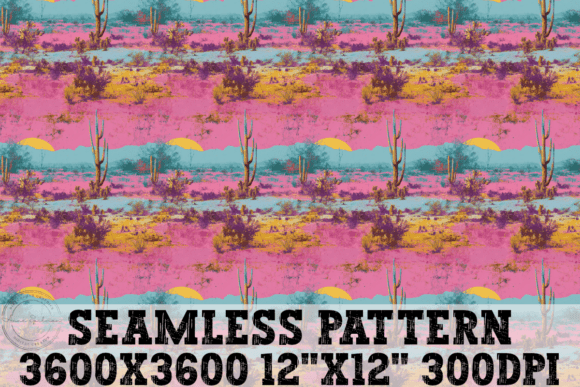
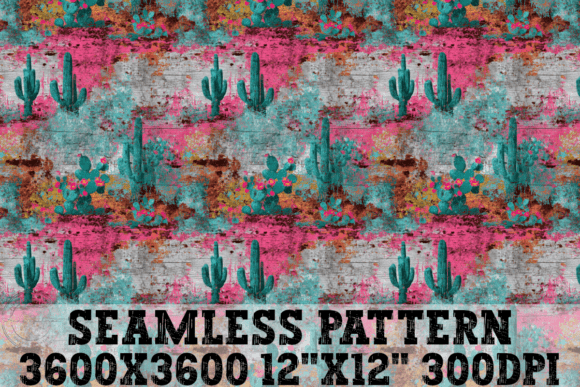
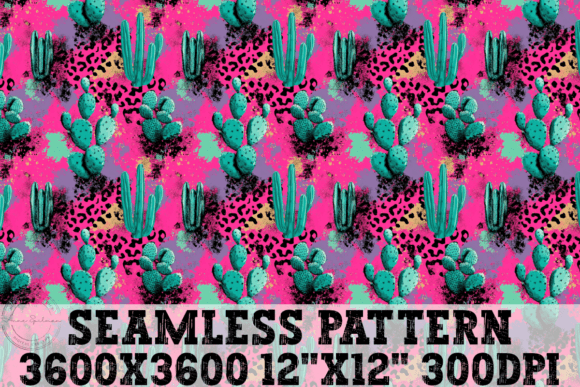
The visual personality of this design is unmistakably relaxed yet structured. The "retro" aspect suggests mid-century modern influences or perhaps 70s earth tones, while the "desert" theme implies organic shapes like cacti, suns, dunes, or abstract landscapes. Because it is a seamless pattern, the layout is repetitive by nature, which creates a sense of rhythm and continuity that is highly appealing for larger surface areas.
From a design perspective, the strength here lies in its balance. A common mistake in desert-themed graphics is overcrowding; designers often pack too many elements into the frame, resulting in a muddy final product. This pattern seems to breathe. The spacing between motifs allows for negative space, which is crucial for embroidery. When digitizing or preparing a machine embroidery design, you want those clear lines to guide your stitch direction. If the original graphic is cluttered, the digitizer has to make choices that can compromise the integrity of the image. Here, the clean composition suggests that the final stitched result will be crisp and legible, even from a distance.
Real-World Application: Where This Design Shines
I tested the conceptual application of Retro Desert Seamless Pattern across several categories to see where it fits best in a craft business or personal project lineup. The versatility of a tileable repeat pattern opens up more doors than a single centered motif, but it requires strategic placement.
Tote Bags and Market Totes
This is arguably the strongest use case. A canvas tote bag provides a large, flat, stable fabric surface that can handle a repeated pattern beautifully. Imagine a sturdy cotton canvas bag featuring a subtle, tonal version of this pattern across the front panel, contrasted with solid straps. For an Etsy seller, this offers a premium feel without the cost of full-surface printing. It looks intentional and boutique. The pattern adds value because it covers the entire visual field, making the item feel substantial and well-designed.
Sweatshirts and Hoodies
For fall and winter collections, this pattern translates exceptionally well to knit fabrics. However, working with stretchy material requires caution. I envision this pattern used on the back panel of a crewneck sweatshirt or as an all-over print effect achieved through dense stitching on the chest area. The retro aesthetic pairs perfectly with heavyweight cotton blends. When customers buy a custom apparel piece, they are buying a statement. A cohesive pattern like this ensures the garment looks professional rather than haphazard.
Nursery Decor and Baby Items
The desert theme often leans into soft pastels or muted terracottas, which are huge in nursery design right now. Applying this pattern to muslin swaddle blankets, burp cloths, or crib sheets (if using appropriate applique techniques) can create a cohesive gift set. A personalized gift featuring this pattern with a baby’s name integrated into one of the motifs feels thoughtful and marketable. It bridges the gap between trendy decor and functional baby gear.
Home Goods: Aprons and Tea Towels
Kitchen textiles are another natural fit. A linen apron with a border of this pattern along the bib and hemline adds a touch of whimsy to a chef’s uniform or a home baker’s station. Similarly, tea towels benefit from the repetition, as the pattern can run vertically or horizontally to maximize the fabric width. These items are low-risk, high-volume products that appeal to buyers looking for handmade product authenticity.
Technical Considerations and Stitching Challenges
While the graphic is strong, moving it into the hoop introduces variables that can make or break the finished product. Here is what you need to watch out for.
Small Hoop Sizes
One of the biggest pitfalls with seamless patterns is trying to cram them into a tiny hoop, such as a 4x4 inch square. If the individual motifs within the pattern are detailed, reducing the scale significantly can cause fine details to blur together during stitching. Satin stitches may become too narrow to define edges clearly, and fill stitches might lose their texture. Always test the pattern at the actual size you intend to embroider. If the motifs are intricate, consider using a larger hoop to maintain clarity.
Fabric Texture and Stability
The success of this design depends heavily on the base material. Smooth, tightly woven fabrics like cotton duck or polyester twill will render the pattern sharply. Conversely, textured fabrics like bouclé or loose-weave linen can distort the alignment of the tiles, causing the pattern to look misaligned or "wobbly." Additionally, thin or stretchy fabrics require robust stabilizer support. Without it, the tension of the thread pulling the fabric can pucker the design, ruining the smooth lines that give the pattern its retro charm.
Dense Stitch Areas
If the design includes heavy fill stitches to represent sand dunes or cactus bodies, be mindful of stitch density. Too much thread in one area can make the fabric stiff and uncomfortable, especially on garments like hats or caps where flexibility is key. For curved surfaces like baseball caps, a seamless pattern might be challenging to align perfectly around the curve. In these cases, a single focal point derived from the pattern might work better than a full repeat.
Practical Designer Notes for Execution
To ensure Retro Desert Seamless Pattern meets professional standards, follow these steps before committing to production:
- Test on Scrap Fabric: Never cut into your final fabric without a trial run. Check how the threads interact with the weave and whether the colors pop as expected.
- Check Thread Color Contrast: Ensure there is sufficient contrast between the background fabric and the thread colors. Low-contrast designs can get lost in the stitching, especially in shadowed areas.
- Review Stitch Density: High-density areas can lead to needle breakage or thread snapping. Adjust the digitization if necessary to reduce unnecessary density while maintaining shape.
- Inspect Small Details: Zoom in on the digital file. Are there tiny lines that will disappear when stitched? Simplify these elements if needed to improve clarity.
- Black and White Mockups: Convert the design to grayscale to check the value distribution. Good embroidery relies on strong values, not just color.
- Confirm Licensing: Since this is a digital embroidery file or graphic asset downloaded via Creative Fabrica, verify the license terms. Determine if you have commercial rights to sell finished goods made with this design. This is critical for protecting your craft business from legal issues.
Final Verdict
Retro Desert Seamless Pattern is a versatile, mood-driven asset that offers significant potential for commercial embroidery projects. Its clean layout and thematic appeal make it suitable for a wide range of applications, from tote bag design to sweatshirt embroidery. While it requires careful attention to hoop size and fabric choice to avoid technical pitfalls, the payoff is a cohesive, professional-looking product that resonates with current design trends.
For designers looking to expand their catalog with items that feel both nostalgic and modern, this pattern is a strong addition. Just remember: the graphic is only half the battle. Your execution—the choice of stabilizer, thread quality, and precision—will determine whether the customer sees a mass-produced knockoff or a cherished personalized gift. Test thoroughly, plan strategically, and let the design do the talking.