Retro Desert Scene Pattern: A Designer’s Review
When I sit down to evaluate a new digital asset for my embroidery studio, I am rarely looking at just a pretty picture. I am looking at stitchability, visual balance, and market viability. As an experienced designer who frequently transitions from screen to fabric, I approach every machine embroidery design with a mix of artistic appreciation and technical skepticism. Recently, I had the opportunity to review the Retro Desert Scene Pattern, a graphic digital design product available via Creative Fabrica. This article breaks down how this seamless pattern performs in real-world applications, from custom apparel to boutique merchandise.
First Impressions and Visual Personality
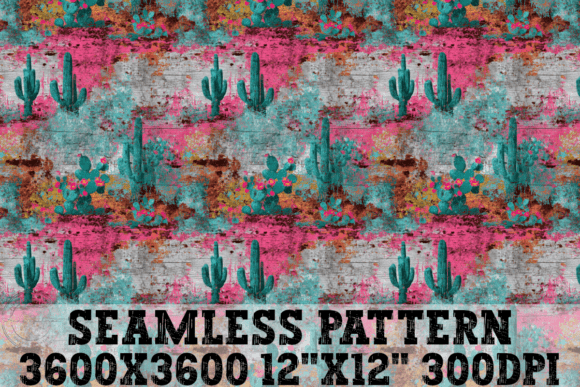
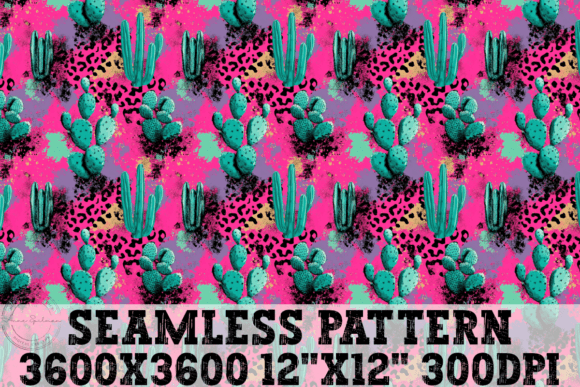
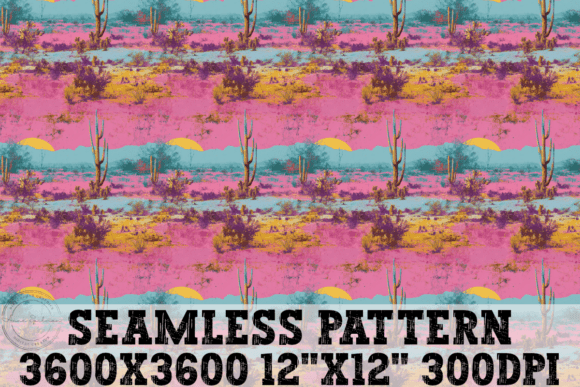
The moment you load the Retro Desert Scene Pattern into your design software, the mood is established immediately. It carries that distinct mid-century modern aesthetic—warm earth tones, stylized cacti, and perhaps a sunburst motif—that has seen a massive resurgence in home decor and fashion. Unlike many generic clip-art designs, this pattern feels intentional. The layout is balanced, which is crucial for a tileable repeat pattern.
For an embroidery project, the visual personality is key. It evokes nostalgia without being overly cluttered. When I previewed it on a mockup, the shapes were bold enough to hold their own against the texture of fabric, yet detailed enough to reward closer inspection. This is not a design that will look muddy when stitched; it retains its graphic integrity. For creators looking for design assets that scream "boho chic" or "desert glam," this pattern hits the right notes instantly.
Real-World Application: From Screen to Stitch
Let’s talk about practical use. I recently imagined using this pattern for a custom embroidered tote bag line for an upcoming craft fair. Here is how the Retro Desert Scene Pattern translates:
- Tote Bags and Canvas Totes: This is arguably the strongest application. The durable nature of canvas handles the fill stitch areas well. The repeating nature of the pattern allows for a large, impactful chest print or a full-body wrap design. Customers love seeing a cohesive theme, and this pattern provides that seamlessly.
- Sweatshirt Embroidery: Heavy cotton blends are forgiving. Using this as an all-over print effect (if your machine supports multi-hoop stitching) or as a large back print creates a high-end streetwear vibe. The warm colors pop beautifully against heather grey or cream sweatshirts.
- Kitchen Towels and Aprons: For the home goods market, this pattern fits perfectly. It adds a touch of whimsy to kitchen textiles. However, here we must consider washability and thread durability, which brings us to our next point.
- Baby Items and Nursery Decor: Soft pastels within the retro palette can work wonders for nursery wall hangings or blanket borders. It is gentle, inviting, and fits the current trend of soft, organic aesthetics in baby clothing.
I also considered this for embroidered patches. While the pattern is best suited for larger areas, breaking it down into individual motifs (like a single stylized cactus or sun) could create a fantastic set of lapel patches for denim jackets. This versatility makes it a valuable addition to any craft business inventory.
Where Caution Is Required
No design is perfect for every surface. There are specific scenarios where the Retro Desert Scene Pattern requires careful handling:
- Small Hoop Sizes: If you attempt to stitch this in a very small hoop (under 4x4 inches), the details may become indistinct. Tiny lines can merge together, creating a blob rather than a defined shape. Always inspect small details before committing to a small finish size.
- Textured and Stretchy Fabrics: While canvas is great, jersey knits or highly textured bouclé fabrics can distort the pattern. The elasticity of the fabric may cause the stitch density to pucker or stretch out of alignment. If you must use these fabrics, a heavy-duty cut-away stabilizer is non-negotiable.
- Dense Stitch Areas: Check the file for areas of excessive density. If the original graphic has solid blocks of color, converting them directly to fill stitches might result in a stiff, cardboard-like feel. You may need to adjust the underlay or switch to a satin column for outlines to maintain fabric drape.
- Curved Surfaces: Applying a flat, tiled pattern to a curved surface like a baseball cap can be challenging. The pattern may not align correctly across the curve unless you carefully plan your hooping and stitching sequence.
Technical Considerations for the Savvy Maker
As a reviewer, I cannot stress enough the importance of testing. Even though the source is a high-resolution digital embroidery file (provided as a 300 dpi PNG), the conversion to actual stitches depends on your machine and your digitizing settings.
Thread Color Contrast: The success of this design relies heavily on thread choice. On dark fabric, light threads will provide excellent contrast, but you may need multiple passes to ensure opacity. On light fabric, darker threads should stand out sharply. I recommend running a test swatch in black and white mode to check the value contrast of the pattern elements.
Stabilizer Selection: For woven fabrics like linen or cotton, tear-away stabilizer is usually sufficient. For knits or garments that will undergo frequent washing, such as custom apparel or holiday gifts, a cut-away stabilizer ensures the design does not shift or degrade over time. This is critical for maintaining customer trust in your handmade products.
Licensing and Commercial Use: Before listing these items on Etsy or selling at boutiques, verify the license terms associated with the download from Creative Fabrica. Some licenses allow for unlimited finished goods sales, while others may have caps. As a professional, protecting your small shop product from legal issues is just as important as the quality of the embroidery itself.
Final Verdict: Does It Add Value?
The Retro Desert Scene Pattern is more than just a pretty graphic; it is a versatile tool for the modern embroiderer. It bridges the gap between digital art and tactile craft beautifully. For Etsy sellers and creative entrepreneurs, it offers a ready-made solution for trending niches like bohemian home decor and vintage-inspired fashion.
It enhances the perceived value of a handmade product by adding complexity and style that looks professionally executed. When a buyer sees a well-stitched, vibrant desert scene on a tote bag or sweatshirt, they perceive higher quality and attention to detail. This leads to better reviews, higher engagement, and stronger brand consistency.
However, remember that the file is a starting point. Your skill in hooping, stabilizing, and finishing determines the final outcome. Test on scrap fabric first. Compare light and dark backgrounds. Ensure your thread colors complement the original design’s intent. If you follow these steps, the Retro Desert Scene Pattern will serve you well, whether you are making a personal gift or building a commercial brand.
In summary, this is a strong addition to your library of graphics and patterns. It is practical, stylish, and commercially viable, provided you respect the technical limitations of embroidery. Happy stitching!